

In sports, the comeback bet is often mentioned as a symbol of faith and fighting spirit. Whether in the context of football, basketball, or eSports, a team that is behind and then wins is a testament to extraordinary courage and adaptability. Follow PHJOY to follow important information about comeback bets in football betting through the article below.
Strength After the Comeback Bet

A team can be behind in terms of score, but that does not mean they have lost. The so-called “comeback” is actually a manifestation of three core factors: courage, the ability to read the game, and immediate tactical adjustments.
In European football, teams like Real Madrid or Liverpool are often mentioned when talking about the ability to turn the situation around – not only because of the quality of the players, but also because of their steadfast thinking and ability to react flexibly to all developments.
Here, the psychological factor is key. A team can lose 0-2 in the first half but still keep calm, change the tempo of attack, and take advantage of the opponent’s weaknesses when they are complacent. That is the foundation of every “comeback” in the history of sports.
Statistics and Models Predicting the Possibility of a Comeback

The probability of a team coming back from a 2-goal deficit in the first half is only about 7-10% in professional football. However, this number increases to nearly 20% if the team has a high scoring form in the last 15 minutes of the match – that is, the ability to maintain physical and mental strength better than the opponent.
In the betting world with many experts, people often build dynamic prediction models, combining data on ball possession, number of shots, and pressing efficiency. These models not only help coaches evaluate counter-attacking ability, but also help fans better understand the “tactical rhythm” – the decisive factor in the final minutes.
Competition Psychology – The Foundation of Every Great Comeback
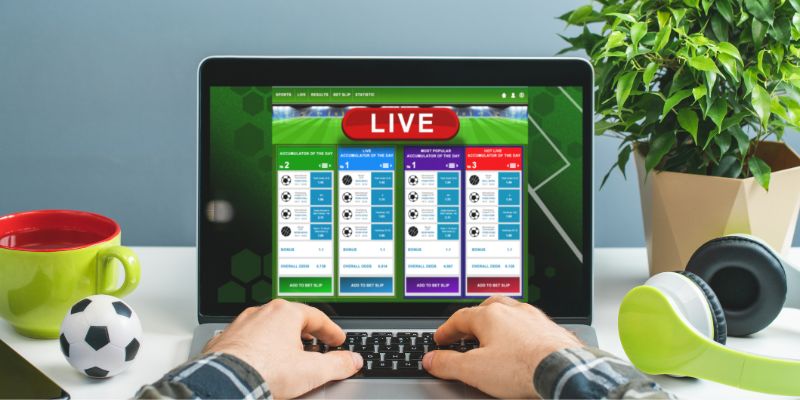
Psychology in sports is considered the backbone of victory. Many talented teams “fall apart” just because of their wavering mentality. Meanwhile, teams that have experienced adversity are even more resilient.
A player in a state of flow – that is, completely focused and confident – will play 30–40% more effectively than when distracted. A good coach is not only good at tactics, but also knows how to transmit positive energy at the right time. Jürgen Klopp, Pep Guardiola, and Carlo Ancelotti all share the same philosophy: not scolding players when they are behind, but encouraging them with trust.
From a sports psychology perspective, “comeback team” is a typical example of resilience – the ability to bounce back after a shock. It is not a miracle, but a skill trained through thousands of hours of pressure.
Turnaround Tactics: Pressing, Speed, and Surprise
A “comeback team bet” in football is inseparable from tactics. Three common types of counterattacks help a team turn the game around:
High Press – forcing the opponent to make mistakes near the goal.
Accelerating on the wings – when the full-back joins the attack, expanding the space.
Tactics for the moment of transition – counter-attacking immediately after winning the ball, leaving the opponent unable to organize a defense.
These tactics not only require physical strength, but also require coordination and the ability to read the situation. When a team is behind but still maintains a good formation, they have the opportunity to create a “tactical breakthrough” – what experts call a momentum shift, which is a shift in momentum in the match.
Why Fans Always Believe in Comeback Betting
In the emotional side of sports, “comeback betting” represents the belief in the unexpected. It is not just a story about goals, but also a journey to overcome human limits. Viewers love comebacks because they evoke root emotions: hope, effort, and victory after defeat.
Physical factors and substitution strategy
When behind, coaches often use substitution tactics to refresh the rhythm of the match. A fast player coming on in the 70th minute can make a big difference thanks to a tired opponent.
Teams that are capable of comebacks tend to maintain 90% fitness in the final 15 minutes – this is the threshold that allows them to press effectively and shoot more. Meanwhile, opponents often fall into a passive defensive state, leading to individual mistakes.

Conclusion
Comeback bet is not just a concept in statistics or predictions. It is a symbol of belief, tactics, and willpower. Every time a team successfully comes back, it is a testament to the true spirit of sportsmanship – never giving up.
